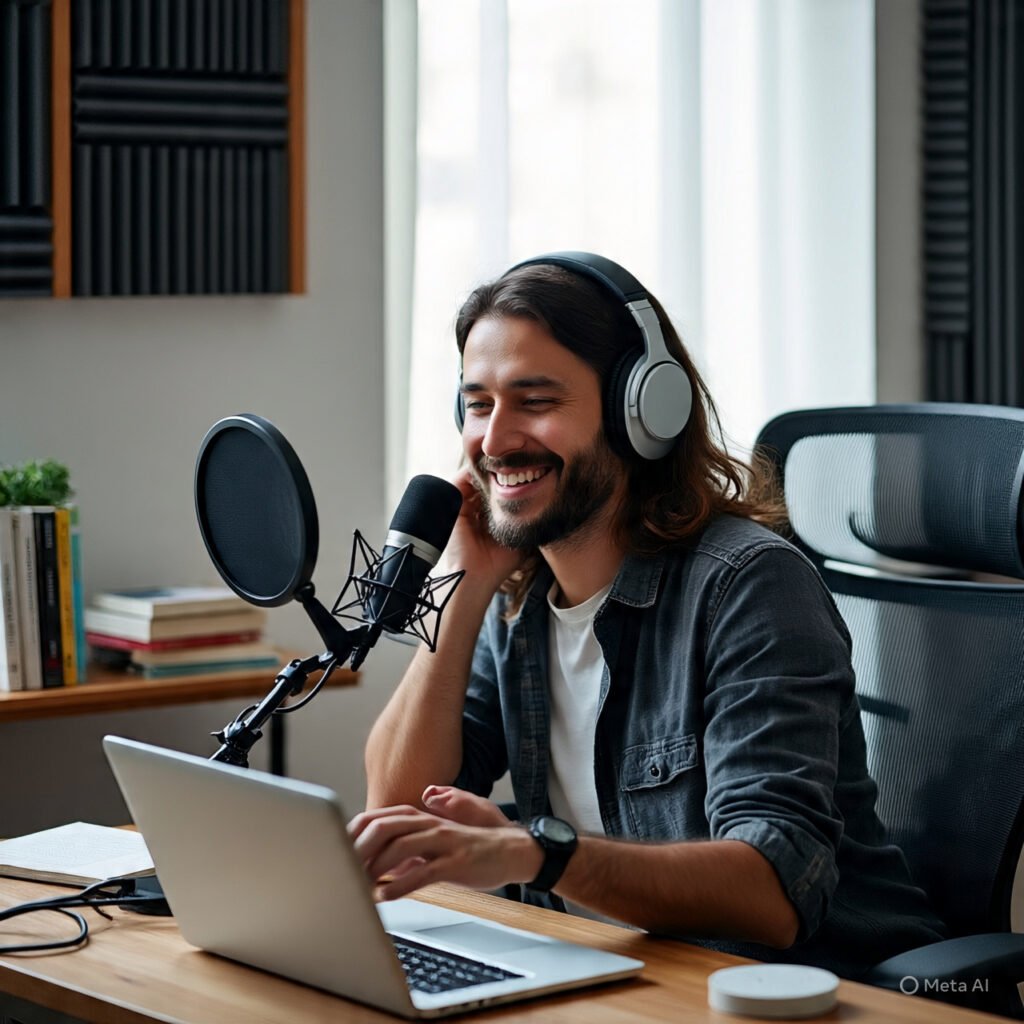
Voice-over work involves providing voice-overs for various media, such as animations, videos, audiobooks, and commercials. Specialized voice-over artists can work from home, using their own recording equipment and software.
2. Types of Specialized Voice-Over Niches
There are various specialized voice-over niches, including animation and cartoon voice-overs, audiobook narration, commercial voice-overs, corporate video voice-overs, and e-learning voice-overs. Each niche requires a unique set of skills and expertise.
3. Getting Started as a Voice-Over Artist
To get started as a voice-over artist, individuals need to invest in quality recording equipment, such as a microphone, headphones, and a pop filter. They should also develop their vocal skills, practice recording, and create a demo reel.
4. Building a Home Recording Studio
A home recording studio requires a quiet, soundproof space with minimal background noise. Voice-over artists should invest in acoustic treatment, a comfortable microphone, and a reliable computer with recording software.
5. Finding Voice-Over Gigs and Jobs
Voice-over artists can find gigs and jobs through various sources, including online marketplaces, job boards, and social media platforms. Popular platforms for voice-over work include Upwork, Fiverr, and Freelancer.
6. Creating a Demo Reel and Portfolio
A demo reel and portfolio are essential for showcasing a voice-over artist’s skills and expertise. The demo reel should include a variety of voices, styles, and formats, while the portfolio should highlight previous work and client testimonials.
7. Marketing and Promoting Voice-Over Services
To succeed as a voice-over artist, individuals need to market and promote their services effectively. This involves creating a professional website, using social media, and networking with potential clients and industry professionals.
8. Pay Rates and Negotiation
Pay rates for voice-over work vary depending on the project, client, and level of experience. Voice-over artists should be prepared to negotiate rates, considering factors such as the project’s complexity, duration, and usage.
9. Continuous Learning and Professional Development
The voice-over industry is constantly evolving, with new technologies, techniques, and trends emerging regularly. Voice-over artists should commit to continuous learning and professional development, attending workshops, conferences, and online courses to stay up-to-date.
10. Best Practices for Voice-Over Artists
To succeed as a voice-over artist, individuals should follow best practices, such as delivering high-quality recordings, meeting deadlines, and providing excellent customer service. They should also be proactive, flexible, and willing to adapt to changing client needs and industry standards.