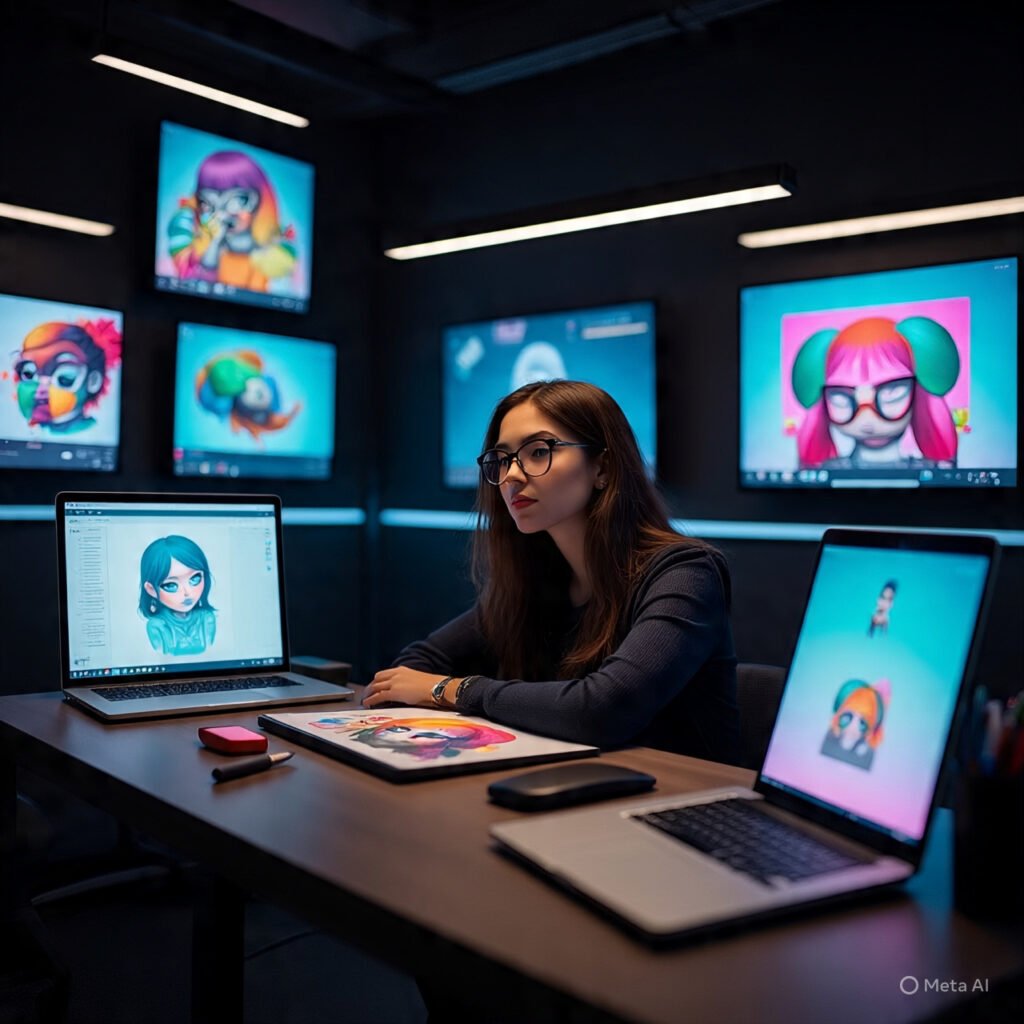
Digital art and Non-Fungible Tokens (NFTs) have revolutionized the art world, offering creators new ways to monetize their work. NFTs, in particular, provide a unique opportunity for artists to sell exclusive, verifiable, and tradable digital assets.
2. Understanding NFT Marketplaces
NFT marketplaces like OpenSea, Rarible, and SuperRare connect artists with collectors and buyers. These platforms provide a space for creators to showcase and sell their digital art, often with built-in features for auctioning, bidding, and ownership verification.
3. Creating Digital Art for NFTs
To create digital art for NFTs, artists can use various software and tools, such as Adobe Photoshop, Illustrator, or Blender. The key is to produce high-quality, unique, and visually appealing art that resonates with potential buyers.
4. Minting and Listing NFTs
Once created, digital art can be minted into NFTs using blockchain technology. Artists can then list their NFTs on marketplaces, setting a price, auction terms, or other conditions for sale.
5. Building a Community and Promoting NFTs
To succeed in selling digital art and NFTs, artists must build a community and promote their work. Social media platforms like Instagram, Twitter, and Discord can help artists connect with potential buyers, share their creative process, and showcase their art.
6. Pricing Strategies for NFTs
Pricing NFTs can be challenging, as their value is often subjective. Artists can consider factors like the art’s rarity, size, complexity, and the artist’s reputation when determining a price.
7. Collaborations and Partnerships
Collaborating with other artists, influencers, or brands can help increase an NFT’s visibility and value. Partnerships can also provide opportunities for artists to create exclusive content, expand their audience, and build their reputation.
8. Understanding Blockchain and NFT Ownership
To navigate the NFT market, artists and collectors must understand the basics of blockchain technology and NFT ownership. This includes concepts like smart contracts, token standards, and the implications of buying, selling, and trading NFTs.
9. Taxation and Regulations
The taxation and regulation of NFTs are still evolving. Artists and collectors must stay informed about the latest developments and seek professional advice to ensure compliance with tax laws and other regulations.
10. The Future of Digital Art and NFTs
As the NFT market continues to grow, it’s likely that we’ll see new innovations, platforms, and opportunities emerge. Artists, collectors, and investors must stay adaptable, curious, and open to the possibilities that this rapidly evolving space has to offer.