

1. Introduction to Virtual Event Planning
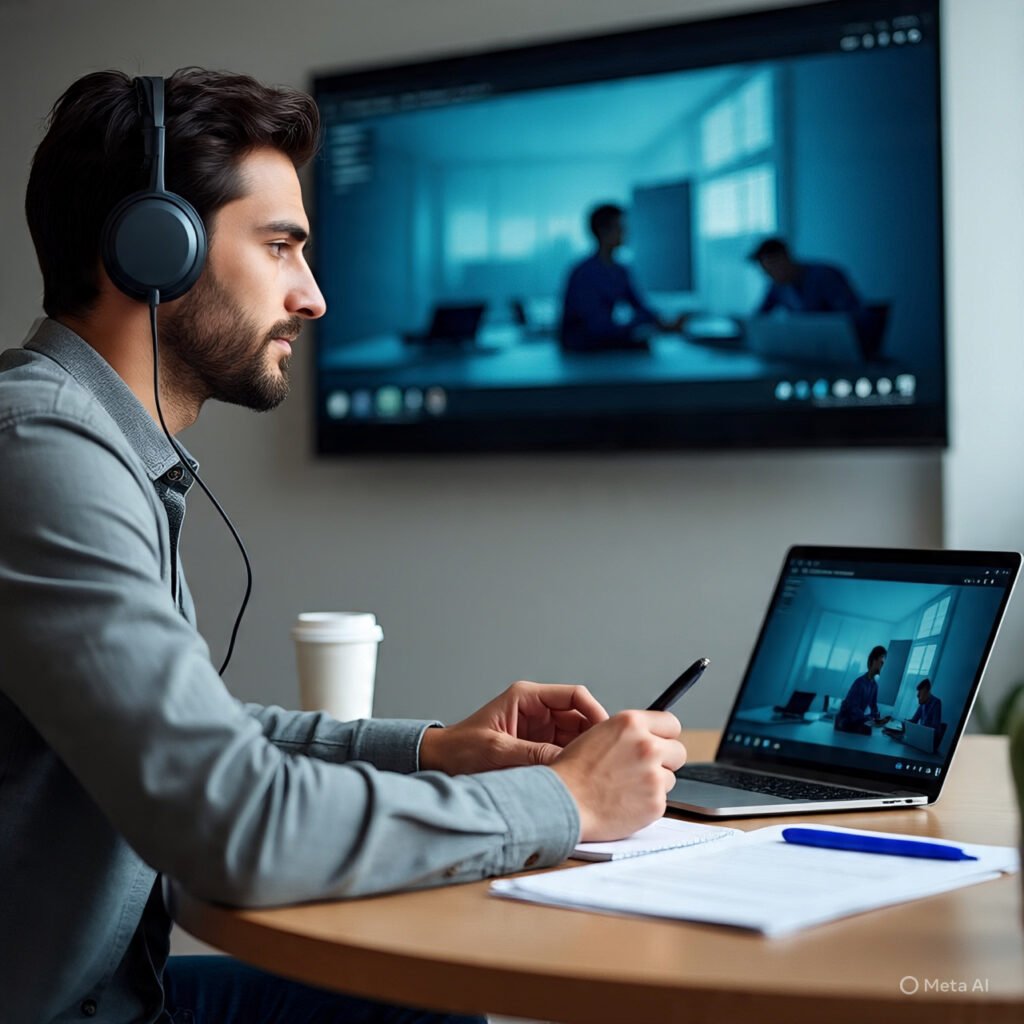
Virtual event planning involves organizing and executing online events, conferences, and meetups. With the rise of remote work and digital communication, virtual events have become increasingly popular, offering flexibility, cost-effectiveness, and global reach.
2. Defining Event Objectives and Goals
Clearly defining event objectives and goals is crucial for successful virtual event planning. This involves identifying the target audience, desired outcomes, and key performance indicators (KPIs) to measure event success.
3. Choosing Virtual Event Platforms and Tools
Selecting the right virtual event platform and tools is vital for a seamless and engaging experience. Popular options include Zoom, Google Meet, Skype, and specialized event platforms like Hopin, BigMarker, or Whova.
4. Planning Engaging Event Content and Activities
Creating engaging event content and activities is essential for capturing attendees’ attention and encouraging participation. This can include keynote speeches, panel discussions, workshops, networking sessions, and interactive elements like polls, quizzes, or gamification.
5. Managing Event Logistics and Operations
Effective event logistics and operations management ensure a smooth and successful virtual event. This includes coordinating speaker schedules, managing registrations, and testing technical equipment and connections.
6. Promoting Virtual Events and Attracting Attendees
Promoting virtual events and attracting attendees require strategic marketing and outreach efforts. This can include social media campaigns, email marketing, influencer partnerships, and targeted advertising to reach the desired audience.
7. Ensuring Technical Quality and Reliability
Technical quality and reliability are critical for virtual events, as technical issues can quickly derail the experience. Event planners must ensure robust internet connectivity, high-quality audio and video, and reliable technical support.
8. Facilitating Networking and Community Building
Virtual events offer unique opportunities for networking and community building. Event planners can facilitate connections through chat forums, breakout rooms, and social media groups, helping attendees build meaningful relationships and connections.
9. Evaluating Event Success and Gathering Feedback
Evaluating event success and gathering feedback is essential for improving future virtual events. Event planners can use surveys, analytics tools, and post-event reviews to assess attendee satisfaction, identify areas for improvement, and refine their event strategy.
10. Staying Up-to-Date with Virtual Event Trends
The virtual event landscape is constantly evolving, with new technologies, platforms, and best practices emerging regularly. Event planners must stay informed about the latest trends, tools, and techniques to deliver innovative, engaging, and effective virtual events.
Lorem ipsum dolor sit amet, consectetur adipiscing elit. Ut elit tellus, luctus nec ullamcorper mattis, pulvinar dapibus leo.