

1. Introduction to Custom Merchandise Platforms
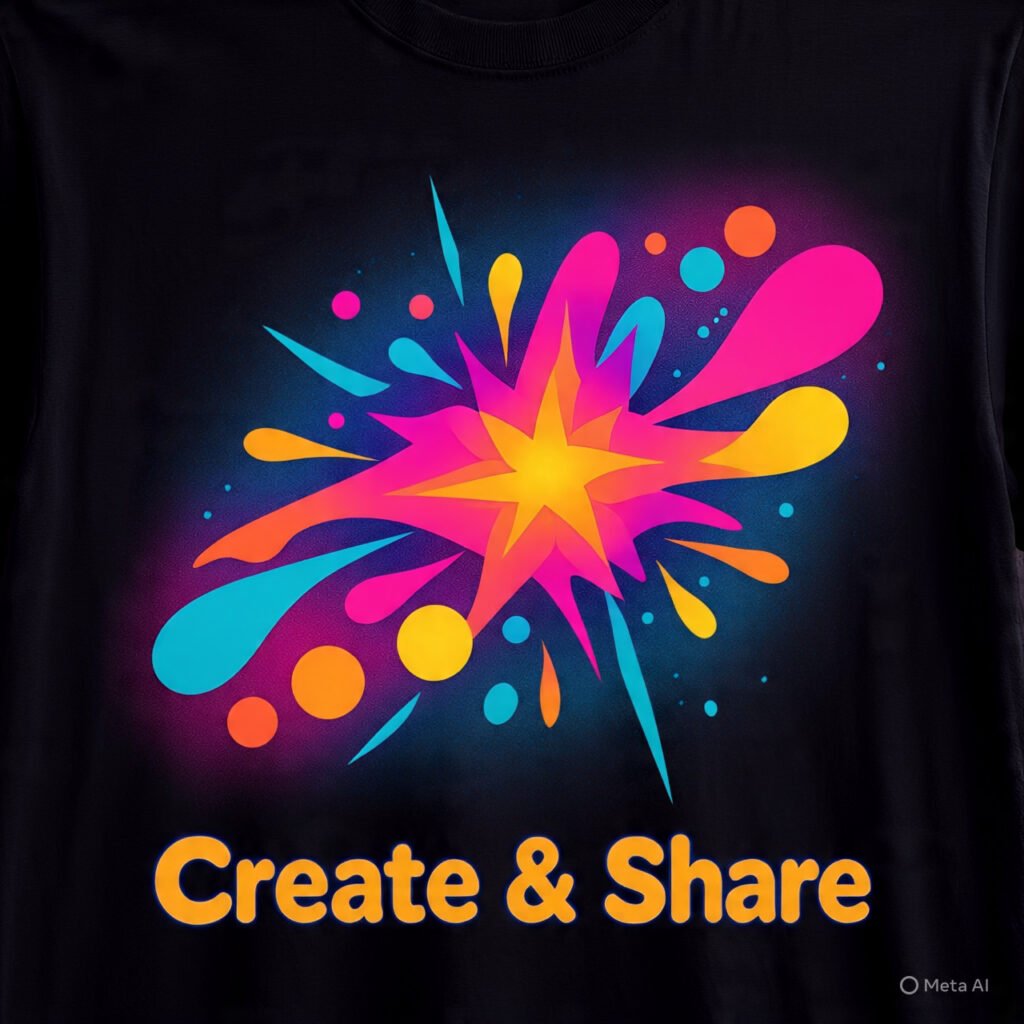
Platforms like Redbubble and Teespring enable creators to design and sell custom merchandise, such as t-shirts, stickers, and phone cases. These platforms handle production and shipping, allowing creators to focus on designing and marketing their products.
2. Identifying a Niche or Target Audience
To succeed in selling custom merchandise, creators must identify a niche or target audience. This could be a specific fandom, hobby, or interest group. Understanding the target audience’s preferences and needs helps creators design relevant and appealing products.
3. Designing High-Quality, Engaging Products
Creating high-quality, engaging designs is crucial for selling custom merchandise. Creators should focus on designing products that resonate with their target audience, using relevant imagery, humor, or inspirational quotes.
4. Setting Up a Store on Redbubble or Teespring
Setting up a store on Redbubble or Teespring is relatively straightforward. Creators need to create an account, upload their designs, and configure their store settings. Both platforms offer various customization options to help creators brand their store.
5. Marketing and Promoting Products
Effective marketing and promotion are essential for driving sales. Creators can leverage social media platforms, online communities, and influencer marketing to showcase their products and reach their target audience.
6. Engaging with the Community and Encouraging Feedback
Building a community around a custom merchandise store helps creators connect with their target audience, gather feedback, and encourage user-generated content. This can be achieved through social media groups, forums, or live streaming.
7. Optimizing Product Listings for Better Visibility
Optimizing product listings on Redbubble or Teespring involves using relevant keywords, tags, and descriptions to improve visibility in search results. Creators should also ensure their product images are high-quality and visually appealing.
8. Managing Orders, Shipping, and Customer Service
While Redbubble and Teespring handle production and shipping, creators are responsible for managing orders, responding to customer inquiries, and resolving any issues that may arise. Providing excellent customer service helps build a positive reputation and encourages repeat business.
9. Analyzing Sales Data and Adjusting Strategies
Analyzing sales data helps creators understand what products are performing well, which marketing strategies are effective, and where improvements can be made. This data informs decisions on product design, marketing, and optimization.
10. Scaling and Expanding the Business
As a custom merchandise business grows, creators can explore opportunities to scale and expand. This may involve diversifying product lines, collaborating with other creators, or exploring new marketing channels to reach a broader audience.